Community Rallies to Support Elderly Homeless with Essentials and Hope
A warm blanket can mean sleep. A clean pair of socks can prevent pain. A simple conversation can remind someone that they have not been forgotten.
That was the spirit behind a recent fundraiser and essentials distribution campaign organised to support elderly people living without stable shelter. The campaign brought together neighbours, local volunteers, small donors, student groups, shopkeepers, faith groups, and social workers around one shared goal: to meet urgent needs with dignity and care.
For elderly homeless individuals, daily survival carries added risks. Age can make it harder to queue for services, carry belongings, recover from illness, or protect oneself from harsh weather. The campaign responded to these realities with practical supplies, gentle outreach, and a message that community support still matters.

The campaign focused on dignity as much as distribution
The fundraiser had two clear goals.
The first was to collect funds and essential items for elderly homeless people who often live with health issues, limited mobility, and little protection from the weather. The second was to create a model of support that felt personal rather than transactional.
Volunteers did not simply hand over packets and move on. They spoke with people, listened to their needs, helped them choose items when possible, and guided them towards local support services where available.
The campaign’s organisers kept the focus on useful, age-sensitive essentials. This mattered because older adults may need different support than younger people experiencing homelessness. A heavy ration bag, for example, can be difficult to carry. A blanket that is too thin may not help during cold nights. Food that is hard to chew may go uneaten.
By paying attention to these details, the campaign made every rupee and every donated item go further.
The community showed up in many ways
Not everyone could donate money, and the campaign made space for many kinds of help.
Some residents contributed new blankets, shawls, socks, towels, and hygiene supplies. Local grocers offered dry snacks and packaged food. A few medical volunteers helped sort basic wellness items. Young volunteers packed kits, labelled sizes, and carried supplies to distribution points.
Others helped quietly. They made phone calls, spread the word in neighbourhood groups, helped identify elderly people in need, or offered transport for bulky donations.
This mix of support showed the strength of a community-led response. A fundraiser becomes more than a collection drive when people give time, attention, and trust.
“I came thinking I would only help pack bags,” one volunteer shared. “But after speaking to people who received them, I understood how much it means when help is given with respect.”
That respect shaped the day. Volunteers were briefed to avoid crowding, photographing people without consent, or asking intrusive questions. They were reminded that poverty is not a story to be consumed. It is a reality that calls for care.

The essentials met real daily needs
The distribution kits were built around comfort, hygiene, food, and mobility. Each category addressed a specific challenge faced by elderly homeless people.
Warmth and weather protection
Blankets, shawls, sweaters, woollen caps, and socks helped protect people who sleep outdoors, in shelters, near transport hubs, or in temporary spaces. Older adults are more vulnerable to weather changes, especially during cold mornings, rains, and damp nights.
Hygiene and personal care
Soap, toothpaste, toothbrushes, towels, sanitary items, combs, and small packs of detergent helped people maintain basic cleanliness. For older people, hygiene also affects skin comfort, confidence, and dignity.
Food and hydration support
The campaign included easy-to-eat dry snacks, fruit, biscuits, ready-to-use food packets, and water bottles. Volunteers tried to include items that did not require cooking and were easier to chew.
Mobility and comfort items
Some beneficiaries received walking sticks, slippers, reusable bags, and simple seating mats where available. These items may seem ordinary, but for someone with weak knees, foot pain, or fatigue, they can change the pace of an entire day.
Basic health support
Where appropriate, kits included masks, hand sanitiser, pain relief balms, and information about nearby public health services. Volunteers avoided making medical promises and focused on safe, general support.
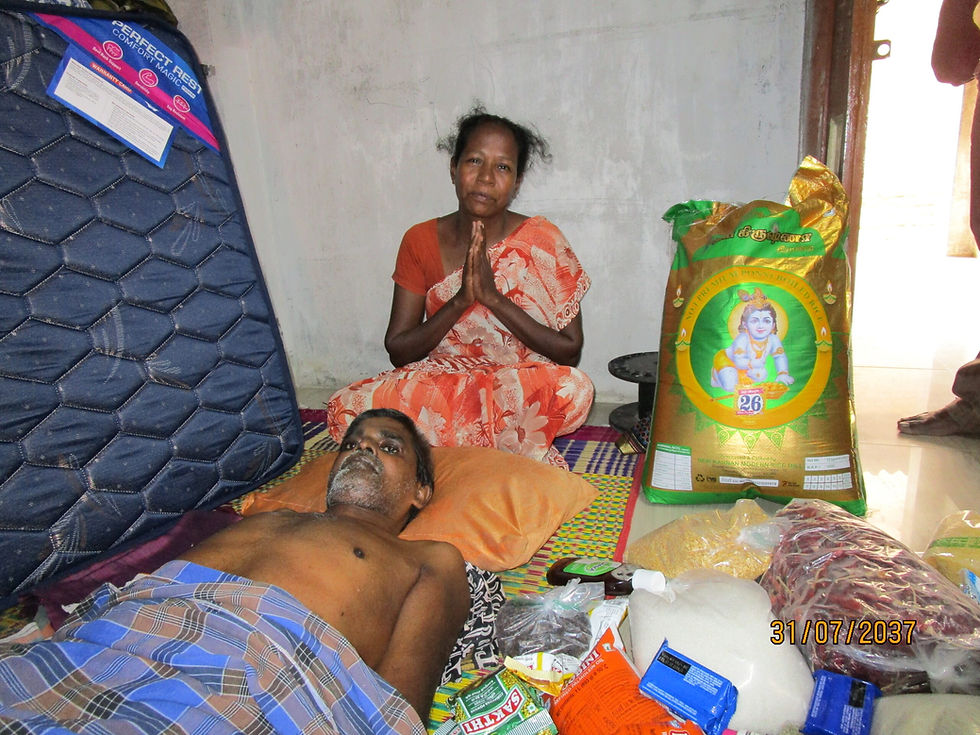
One elderly beneficiary, identified here as “R” to protect privacy, held up a new pair of slippers and said they would help him walk to a nearby meal centre without pain. Another recipient carefully folded a blanket before placing it in a cloth bag, explaining that keeping it clean would help him use it for many nights.
These were not dramatic moments. They were quiet ones. That is often where impact lives.
Stories from the day showed why this work matters
A student volunteer recalled meeting an elderly woman who had been using the same thin shawl through cold nights. When she received a thicker wrap, she did not speak for a few seconds. Then she smiled and said, “Tonight will be easier.”
Another volunteer helped an older man choose a lighter bag because he could not carry much weight. That small adjustment changed the experience for him. He did not have to struggle. He did not have to refuse help because it was too hard to manage.

For many volunteers, the biggest lesson was that support must be personal. Elderly homeless individuals are not a single group with one set of needs. Some need warmth. Some need food. Some need help reaching a clinic. Some need someone to sit beside them for five minutes and listen.
The campaign did not solve homelessness. No single drive can. But it reduced discomfort, created human connection, and reminded the wider community that neglect is not inevitable.
How more people can support similar initiatives
Community support does not have to begin with a large event. Small, steady action can build into meaningful change.
People who want to help can start by:
Donating clean, useful items in good condition, especially blankets, socks, towels, slippers, and hygiene supplies
Supporting local shelters, night shelters, and outreach groups with funds or volunteer time
Organising neighbourhood collection drives with clear lists of needed items
Helping pack age-friendly kits that are light, practical, and easy to carry
Connecting elderly homeless people to verified local services when safe and appropriate
Treating every person with patience, privacy, and respect
The most effective drives begin by asking what people actually need. They also work with local groups that understand the area and can guide volunteers safely.

Hope grows when care becomes a habit
The fundraiser and distribution campaign showed what happens when a community chooses to notice its elders. Essentials brought warmth, food, hygiene, and comfort. Conversations brought something just as valuable: recognition.
Elderly homeless people deserve more than occasional charity. They deserve safety, dignity, and systems that do not leave them behind. While long-term solutions need public services, housing support, healthcare access, and policy action, community efforts can still reduce suffering right now.
The next campaign may begin with one person collecting blankets, one shopkeeper donating food, or one volunteer asking a simple question: “What would help today?”
That is how hope becomes practical. That is how care becomes visible. And that is how a community reminds its most vulnerable elders that they still belong.


Comments