Feeding Hope: How Our Food Donation Drive United the Community
A full plate can change the tone of an entire day. For families facing food insecurity, it can bring relief, dignity, and a little breathing room. That simple truth shaped our recent food donation drive, a community effort created to support less privileged families and remind everyone that care grows stronger when it is shared.
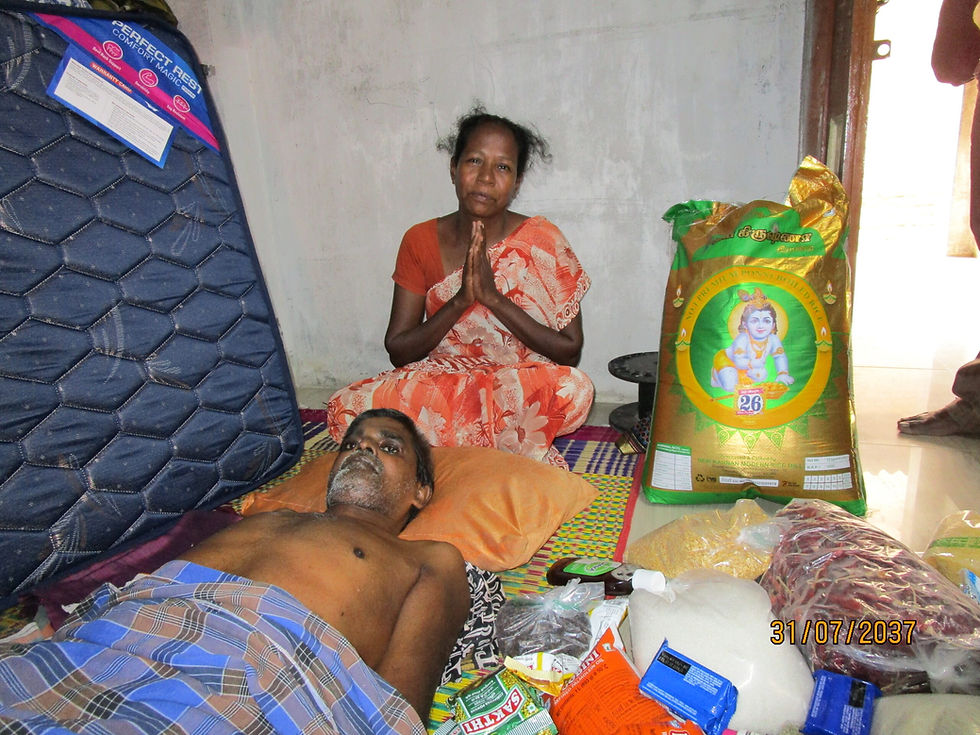
The drive brought together neighbours, volunteers, local well-wishers, and families who wanted to give what they could. Some donated rice, pulses, oil, flour, and packaged essentials. Others gave their time by sorting supplies, packing food kits, and helping with distribution. Every contribution, big or small, carried the same message: no one in the community should feel forgotten.

The goal was to provide food with dignity
The main goal of the drive was clear: collect nutritious, useful food and distribute it to families who need steady support. The focus was not only on quantity. It was also on the quality of what reached each home.
Food donations often work best when they include items that families can use easily and store safely. That is why the collection focused on common household staples such as:
Rice and wheat flour
Dal and other pulses
Cooking oil
Salt, sugar, and spices
Ready-to-eat packaged items with clear expiry dates
Basic hygiene items where available
The volunteers also paid attention to packing. Food kits were arranged in a practical way so that each family received a balanced mix rather than random items. This helped make the support more meaningful.
There was another goal too, to build a stronger bond within the community. A food drive is not only about giving. It is about noticing the needs around us. It asks people to pause, look beyond their own kitchens, and recognise that hunger can exist close to home.
The drive became a shared community effort
What made the event special was the way people came together. Some families brought a small bag of grain. Shopkeepers offered extra supplies. Students helped label and arrange packets. Senior citizens guided younger volunteers on how to pack items neatly and avoid waste.
No role felt too small. One person checked expiry dates. Another counted packets. Someone else helped carry boxes. The work moved steadily because everyone understood the purpose.

The drive also created space for quiet conversations. Volunteers heard stories from families who were managing job loss, illness, rising expenses, or uncertain income. These conversations reminded everyone that food insecurity is not always visible. Many people struggle silently, often while trying hard to keep daily life moving.
That awareness matters. When people understand the issue more clearly, support becomes more thoughtful. Instead of treating donation as a one-time act, the community starts seeing it as a shared responsibility.
The impact reached beyond the food packets
The most direct impact was immediate relief. Families received essential items that could help them prepare meals over the coming days. For parents and caregivers, that meant one less worry. For children and elders, it meant more regular meals at home.
But the impact went deeper than the supplies.
Food donation can help reduce food waste when excess edible items are collected and shared before they spoil. It can bring volunteers closer to local needs. It can teach young people the value of service. It can also offer dignity to recipients when distribution is handled with care, privacy, and respect.
A food kit may last for a limited time, but the feeling of being seen and supported can stay much longer.
The drive also strengthened trust. People saw that collective action does not need to be grand to be powerful. It needs planning, honesty, and willing hands. When neighbours work together, even a modest collection can make a real difference.

How similar initiatives can grow
A successful food donation drive does not need a large organisation behind it. It needs a clear plan and a committed group of people. Communities, resident groups, schools, places of worship, youth clubs, and local associations can all organise similar efforts.
A simple plan can begin with these steps:
Identify the need
Speak to local community workers, shelters, schools, or trusted local groups to understand where support is most needed.
Decide what to collect
Ask for non-perishable, sealed, and useful food items. Avoid expired products, opened packets, or items that are hard to cook locally.
Set a collection period
A weekend or a few fixed days can make it easier for people to participate.
Create a sorting system
Check expiry dates, group similar items, and pack balanced kits.
Distribute with respect
Avoid crowding, public display, or anything that may make recipients uncomfortable.
Keep records
Track what was collected and distributed. This builds trust and helps plan the next drive better.
Local grocery stores can also become partners by offering collection boxes or contributing surplus stock that is safe to use. Volunteers can help with transport, packing materials, translation, or coordination. People who cannot donate food can still contribute time, skills, or storage space.
Why food donation benefits everyone
The most obvious benefit is that food reaches people who need it. Yet the value of donation flows in many directions.
For recipients, it provides immediate support. For donors, it brings a sense of purpose and connection. For volunteers, it builds empathy and teamwork. For the wider community, it creates a culture where people look out for one another.
Food donation also encourages mindful consumption. It reminds households not to waste what could nourish someone else. It teaches children that kindness is practical, not abstract. It shows that generosity does not always require wealth. Sometimes it begins with an extra packet of dal, a few hours of service, or a willingness to organise.

Keeping the spirit alive
This drive showed what can happen when a community chooses compassion over distance. It turned concern into action and everyday food items into hope.
The next step is to keep that spirit moving. A single drive can bring relief, but regular efforts can build lasting support. Families can set aside one item each month. Students can organise collection days. Local groups can create seasonal drives before festivals, school reopenings, or periods when daily wage families may face extra pressure.
Feeding hope is not the work of one day or one group. It grows when people see need, respond with care, and invite others to join. A community becomes stronger each time it chooses to share.


Comments